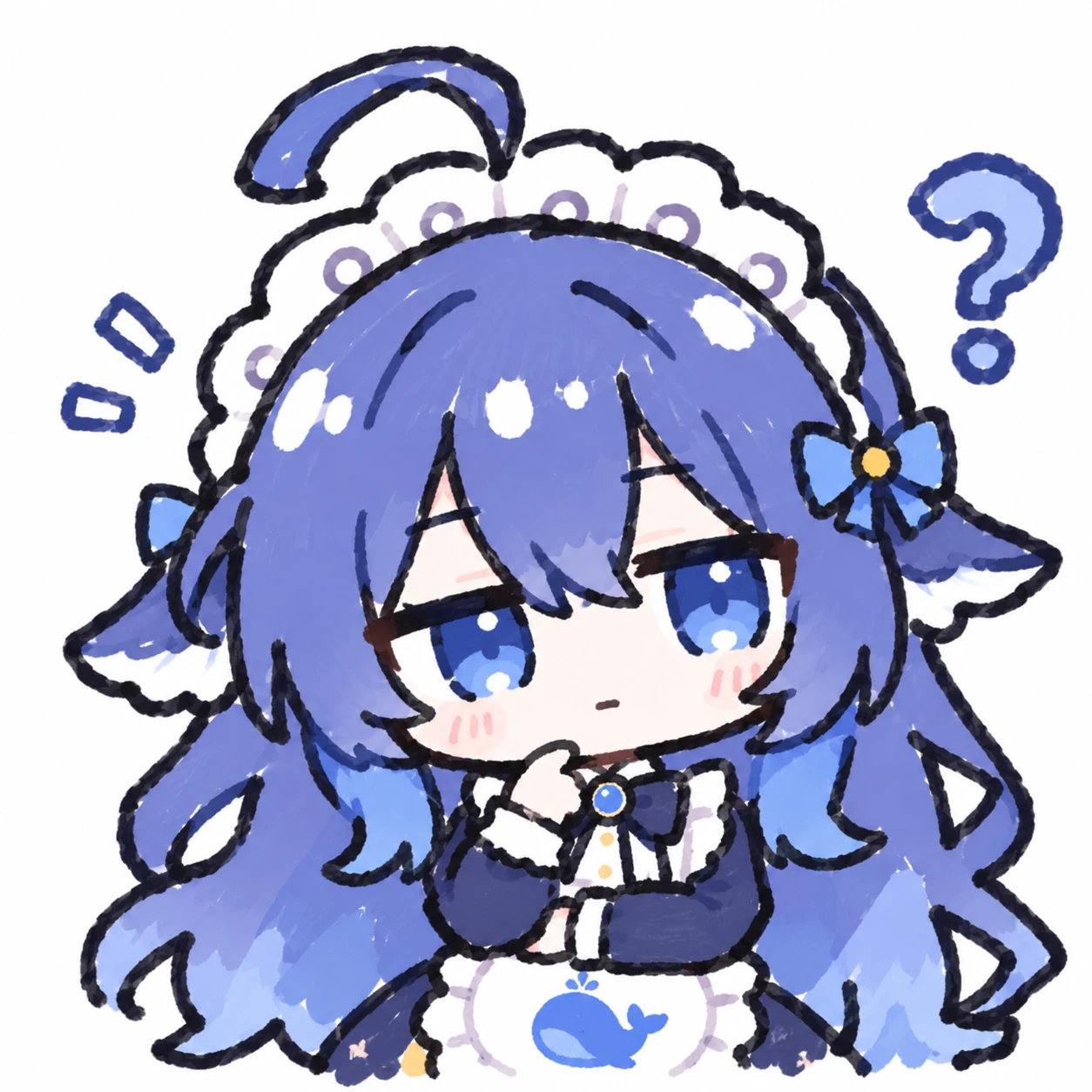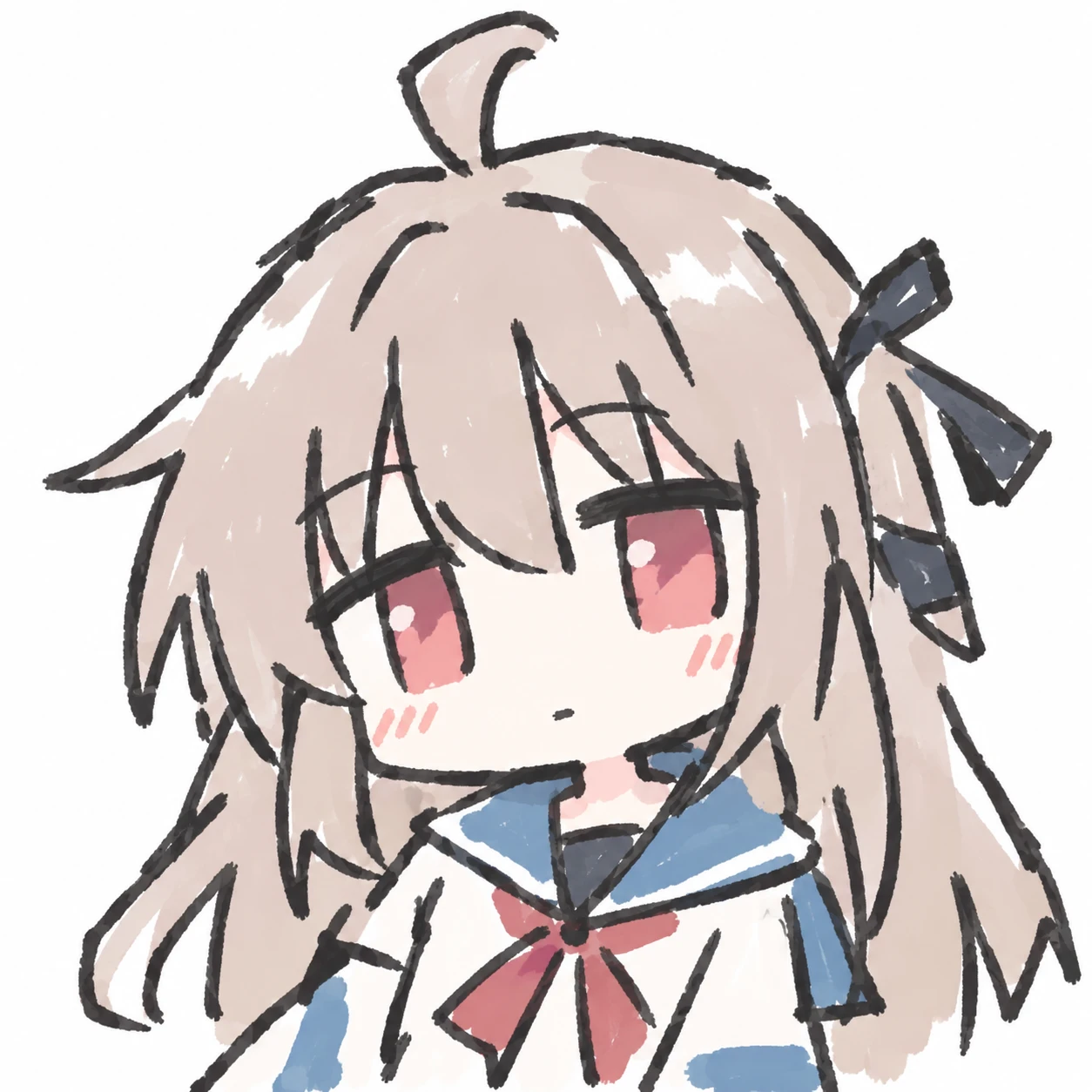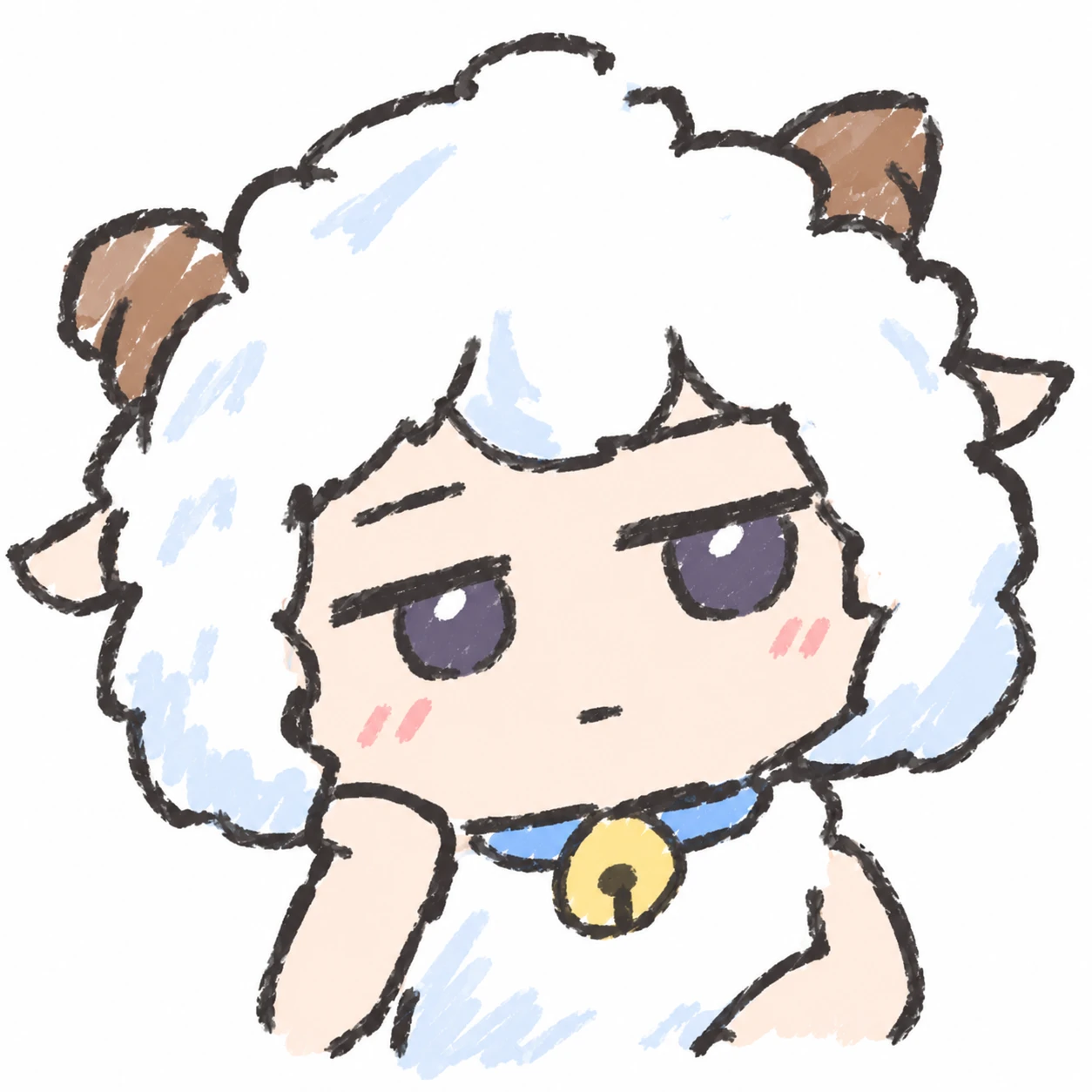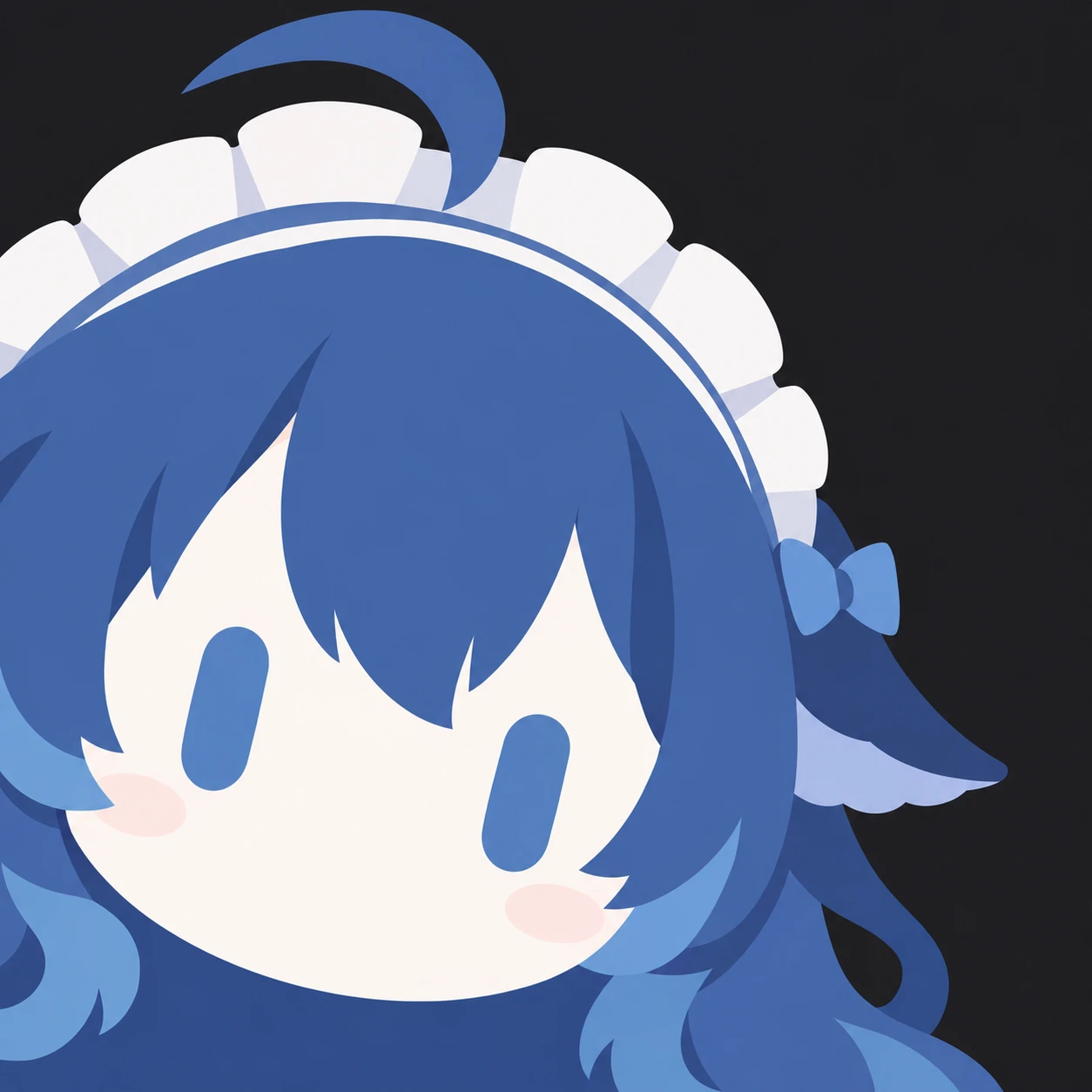
This prompt can generate doodle-style images of your favorite Japanese anime characters. Simply send the prompt and the image of the character you want to see in doodle style to ChatGPT to generate the image.
AI Prompt:
Based on the image I provided, create a very casual, rough, and simple digital doodle of a Japanese-style cute anime character. Use the character’s original appearance, hairstyle, hair color, eye color, clothing, and signature accessories as references, while preserving the character’s distinctiveness.

The overall composition should resemble a quick, colorful sketch created with a rough brush in standard drawing software, with a distinct sense of low polish, childlike simplicity, and a casual, off-the-cuff feel.
I. Overall Art Style
- Use a minimal number of lines and color blocks to depict the character.
- Retain distinct, irregular hand-drawn traces.
- Do not strive for accurate proportions, smooth lines, or fine details.
- The artwork should look like a cute, casual anime doodle rather than a polished commercial illustration.
II. Line Art
- Characters are outlined with very distinct, rough black strokes.
- Line thickness is extremely uneven; in some places the lines suddenly thicken, while in others they break off abruptly.
- Outline strokes are loose, imprecise, and slightly crooked.
- Hair outlines consist of a few thick, black curves, with only a minimal number of simple lines inside.
- Do not use a large number of fine, individual strands of hair, nor detailed sketch guide lines.
- Black lines for the eyes, cheeks, hair, and clothing may show noticeable misalignment, breaks, and incomplete connections.
- The lines have a rough, hastily drawn quality; fluidity and precision are not prioritized.
III. Coloring
- Use simple, uneven, large areas of opaque flat color.
- Directly apply a few broad blocks of color to depict hair, skin, and clothing.
- Color may extend beyond the black outlines or leave white gaps in certain areas.
- Do not draw complex shadows or fine textures.
- Use only a few dark and light brushstrokes to indicate simple structural variations.
- Highlights are rough white patches applied directly with a few strokes; they do not need to precisely follow the shape of the object.
- The overall coloring has a freehand, spontaneous feel; complete coverage and precise edges are not required.
IV. Character Facial Features
- Simple, rounded, slightly asymmetrical chibi-style anime faces.
- The head is relatively large, and the body proportions are simplified.
- The eyes retain the character’s original, distinctive iris color, but their internal structure is extremely simple.
- Use thick black upper eyeliner and large blocks of solid-color iris, retaining only a single simple white highlight.
- The upper eyelid may be slightly drooped, creating a natural, relaxed expression with a hint of nonchalance.
- The nose is omitted.
- The mouth is depicted as a very small, nearly horizontal line.
- Cheeks are rendered with only a small patch of pale pink and two or three short blush lines.
V. Hair and Headwear
- Retain the character’s original, distinctive hairstyle, hair color, and iconic headwear.
- Hair is primarily composed of several large blocks of simple, solid colors; individual strands do not need to be precisely layered.
- Hair ends are outlined with a few simple sharp angles and short arcs.
- The outer contour of the hair features distinct, thick, black, dashed lines; the interior is not rendered in detail.
- Use a few rough white strokes to indicate highlights.
- All of the character’s original hairpins, headbands, hats, or other headwear should be highly simplified; do not draw complex structures in detail.
VI. Clothing and Movement
- Retain the character’s original, distinctive clothing design and primary color scheme.
- Clothing is filled with a few simple, large blocks of color.
- Collars, cuffs, embellishments, and folds are summarized using only a few slanted wavy lines, broken lines, or irregular color blocks.
- Do not add complex clothing details or draw intricate fabric textures.
- Clothing may feature noticeably irregular outlines, unpainted gaps, and simple shading.
- Characters should adopt natural, relaxed half-body poses; they may be slightly turned to the side, tilt their heads, or casually cross their arms.
- Hands should be simplified as much as possible, with fingers outlined using only a few short lines.
VII. Composition
- Pure white background.
- 1:1 square half-figure composition.
- The character’s head is relatively large, and the body is simplified.
- The front view is slightly turned to the side; the composition is simple and direct, without complex perspective.
- The lower half of the character is naturally cropped off the canvas, leaving a certain amount of white space around the edges.
- Do not add complex backgrounds, text, or decorative borders.
VIII. Most Important Stylistic Requirements
The artwork must appear rough, simple, sketchy, and imprecise.

Depict characters using very few lines and blocks of color, relying on their original hairstyles, hair color, eye color, clothing, and signature accessories to ensure recognizability.

Emphasize:
- Thick, black, irregular outlines.
- Large areas of simple, flat coloring.
- Obvious drawing errors.
- Casual white highlights.
- Incomplete line art.
- Uneven color coverage.
- A childlike, cute, and casual doodle-like feel.
Do not automatically refine the characters to make them look prettier.
Do not add complex hair structures.
Do not add fine eye details.
Do not add delicate shading or rich color gradients.
Do not add elaborate clothing details.
Do not transform the sketch into a polished final piece.

Final result: It should look like a cute anime character doodle that someone created in a few minutes using ordinary drawing software and a rough brush—not a polished illustration that deliberately mimics the sketch.
Examples of Generated Results: