This prompt can transform your favorite cityscape photos into a sophisticated, minimalist abstract geometric art poster. Simply send the prompt and your reference photos to the AI, and you’ll receive an art print with a Bauhaus and screen-printing aesthetic.
AI Prompt:
Using the uploaded photo as your sole visual inspiration, independently create a high-end, minimalist, abstract geometric art landscape poster.

I. Core Design Concept
Thoroughly deconstruct the subject’s contours, spatial flow, architectural structure, environmental layers, color relationships, light and shadow variations, and visual focal point from the original photo, and reconstruct them into a modern abstract geometric artwork.
Retain the compositional memory and emotional connection of the original photograph, but completely depart from realistic photography; no photographic elements, cropped sections, or simple geometric filter overlays are permitted.
The overall design should blend the aesthetics of the Bauhaus, Swiss Experimental Graphic Design, vintage independent art magazines, and Risograph screen printing.

II. Composition and Visual Proportions
Use a 1:1 square aspect ratio.
The core geometric art composition should be scaled down by approximately 70% and presented in a concentrated manner at the original visual scale of approximately 30%. The subject may be freely shifted based on the visual center of gravity of the original photograph and does not need to be centered.
Within the main subject, retain a rich hierarchy of large, medium, and small geometric elements to form a refined, compact, and orderly visual structure.
Outside the main subject, preserve large areas of warm white, off-white, or ivory white paper as negative space to create a strong sense of visual breathing room.

III. Geometric Language
Use only:
circles, semicircles, rings, arcs, sectors, ellipses, triangles, wedges, cones, crescent shapes, irregular curved surfaces, open contours, notches, thin straight lines, dashed lines, curves, nodes, dots, trajectories, and negative space.
All geometric forms, orientations, proportions, and details must be extracted from the original photograph; no extraneous decorations may be added.
Strictly prohibited:
Rectangles, squares, square collages, checkerboard patterns, rectangular grids, right-angle frames, regular modular grid layouts, and rectangular structures formed by enclosed lines.

IV. Color System
Strictly extract the primary colors from the original photograph and use different levels of brightness and saturation within the same color family to establish visual depth.
Prioritize warm color relationships such as ochre, amber orange, caramel brown, deep charcoal black, warm gray, and ivory white.
Avoid cheap gradients, neon colors, overly saturated hues, and chaotic color combinations.
Balance large blocks of color with subtle accents to maintain a retro, understated, and elegant artistic aesthetic.

V. Artistic English Typography
Craft a meaningful artistic English title based on the photo’s content, limited to 1–4 English words.
The title should feature a two-color combination and use a slender, tall, high-contrast serif font in the Edensor style.
Free, asymmetrical typography is permitted, including horizontal, vertical, offset, italic, and variations in size and proportion.
A small amount of theme-related supplementary text, brief descriptions, or dates may be added around the title.
All English text must be spelled correctly and convey genuine meaning; garbled text, pseudo-English, watermarks, or commercial logos are not permitted.

VI. Details and Print Texture
Use a small number of fine lines, open arcs, dot patterns, structural nodes, and trajectories to connect the main elements and white space.
The paper should have a warm, delicate natural fiber texture, incorporating subtle Risograph screen-printing grain, screen-printing registration shifts, and naturally irregular edges.
Ensure text is clear, lines are refined, and the edges of color blocks are natural.

VII. Final Visual Requirements
The design should evoke the aesthetic of a high-end art magazine cover, a modern museum exhibition poster, or a limited-edition art print by an independent designer.
The overall visual effect should be minimalist, restrained, abstract, refined, and airy.
Most importantly: the goal is not to turn a photograph into an illustration, but to transform the visual language of the photograph into an entirely new abstract geometric artwork.
Reference photos of the actual scene:
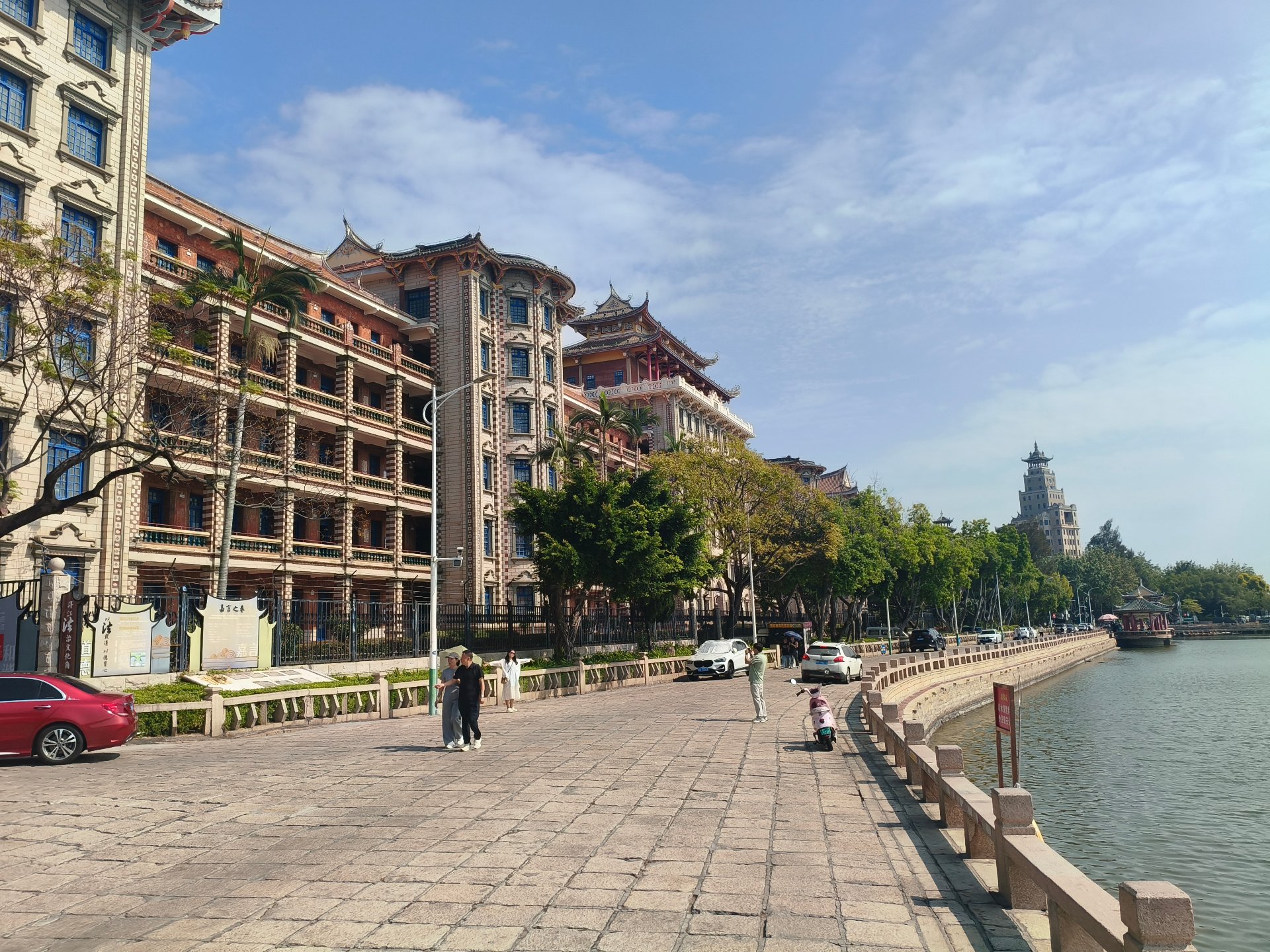
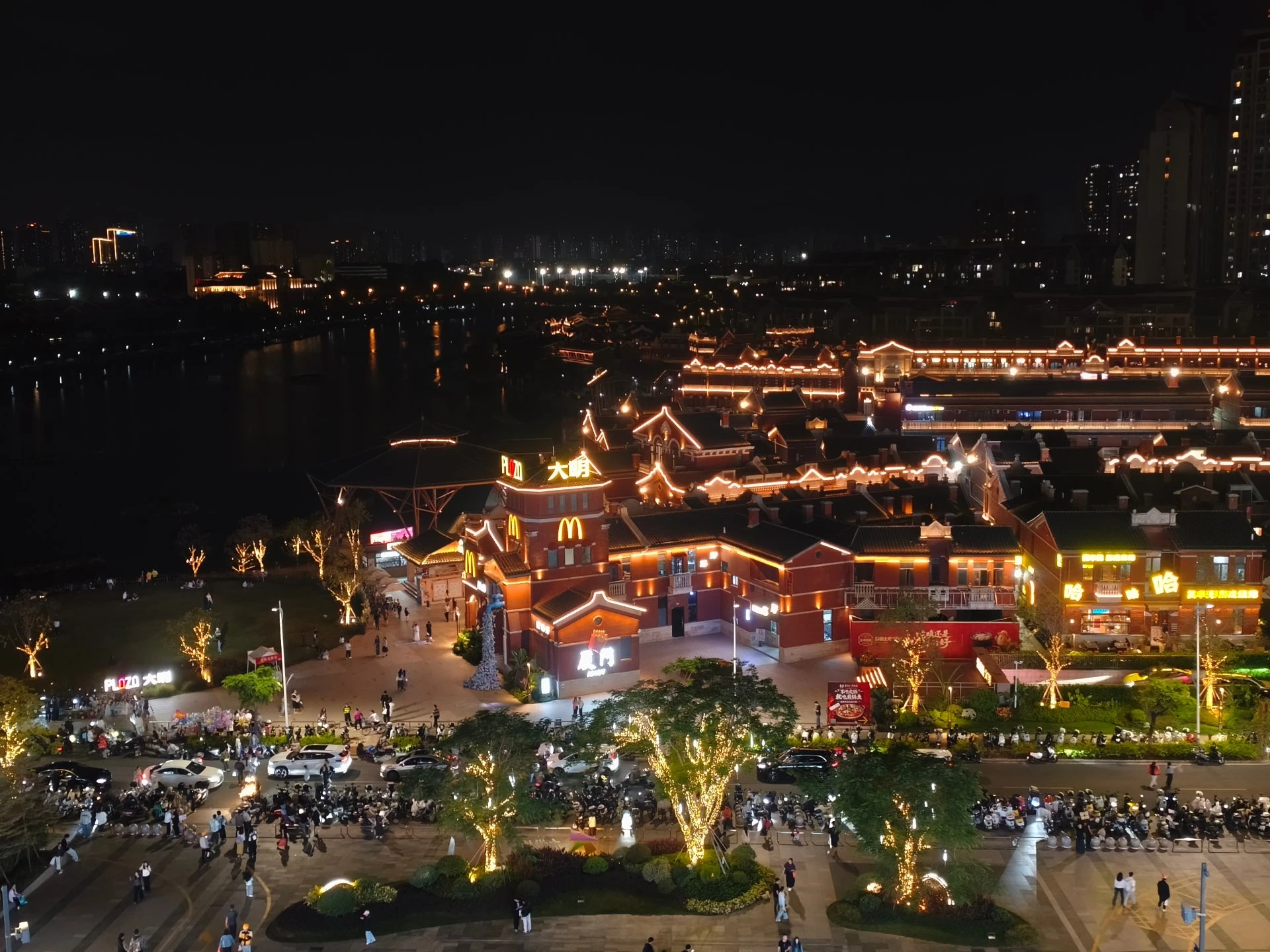
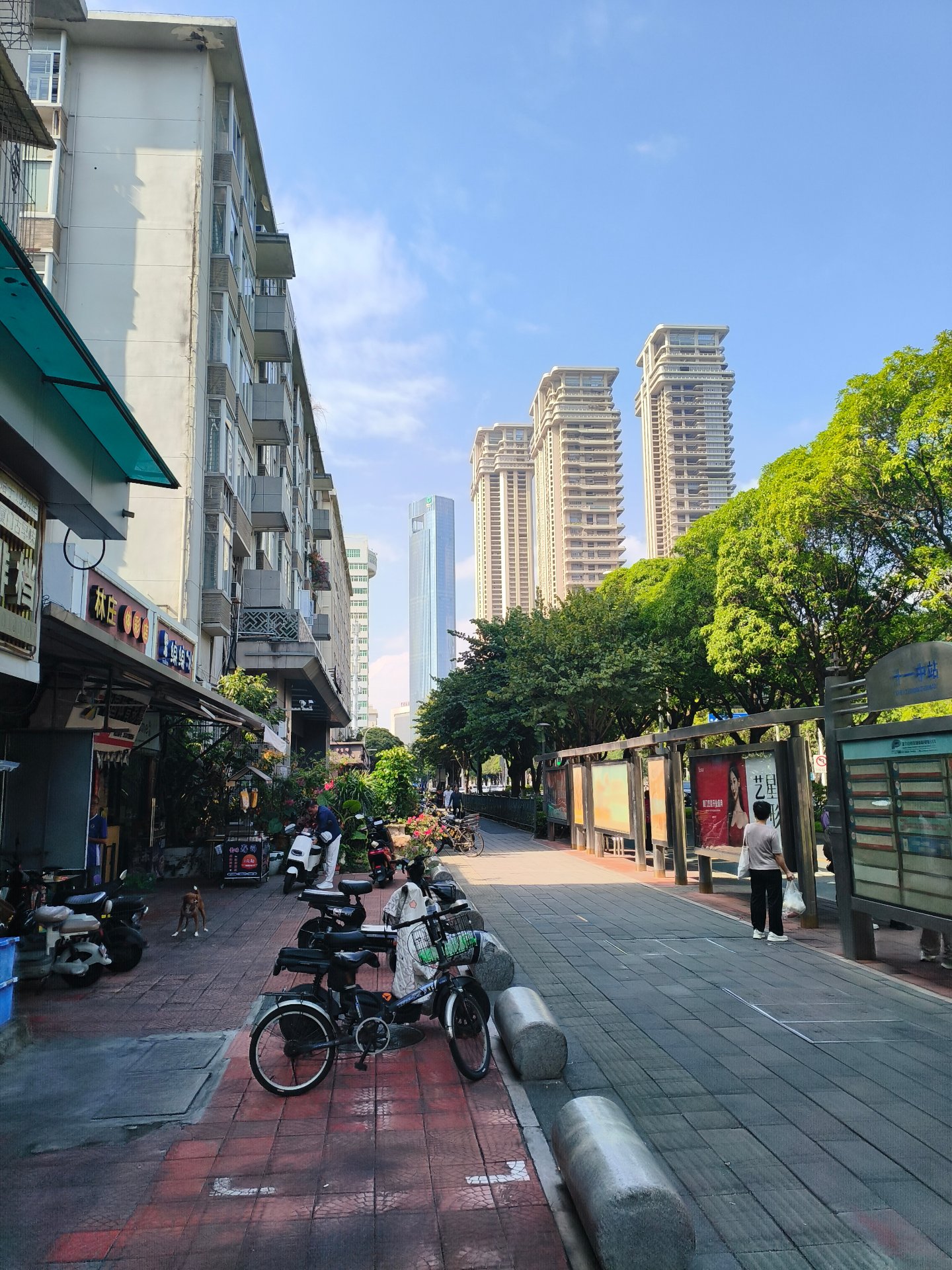
Abstract Geometric Poster Effects:
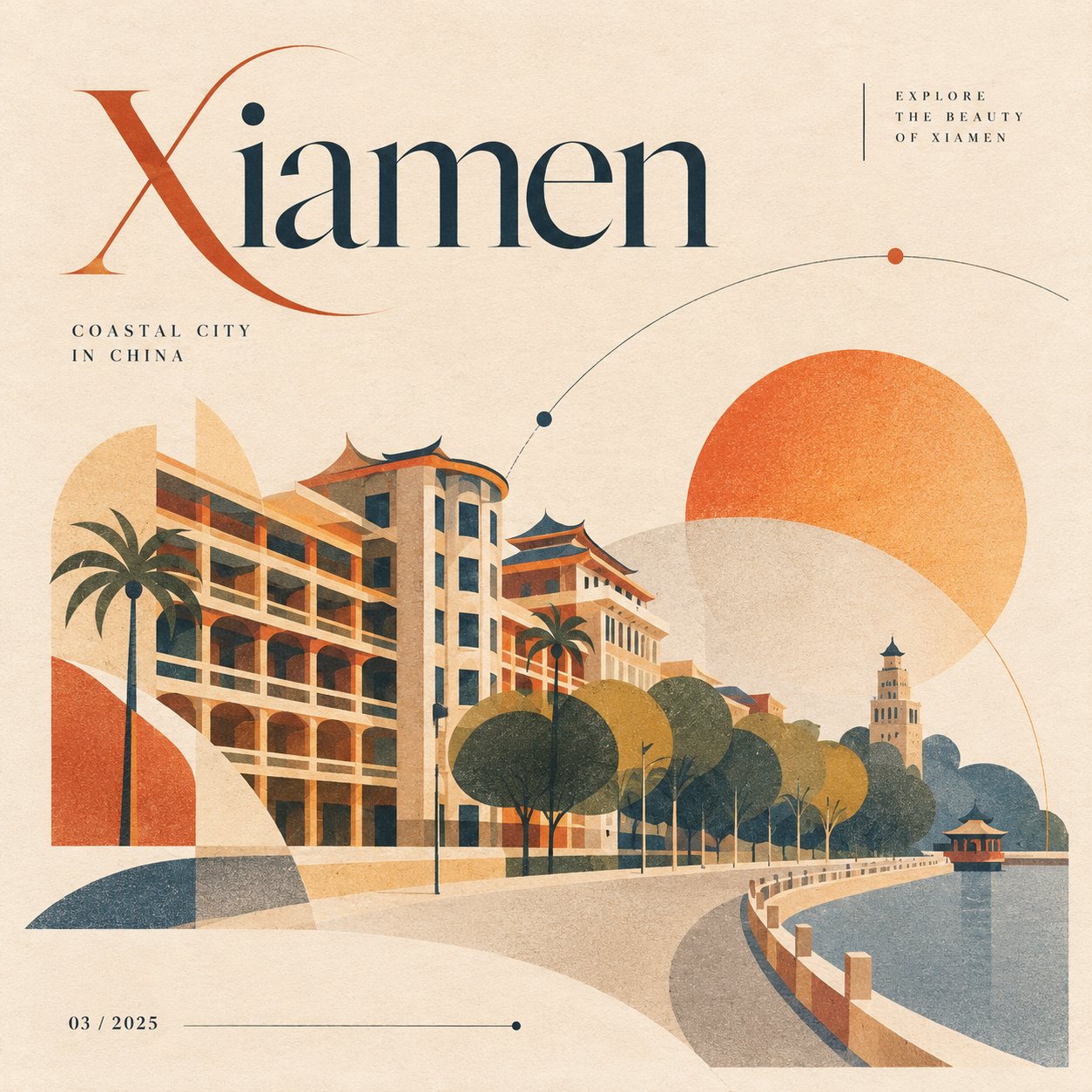
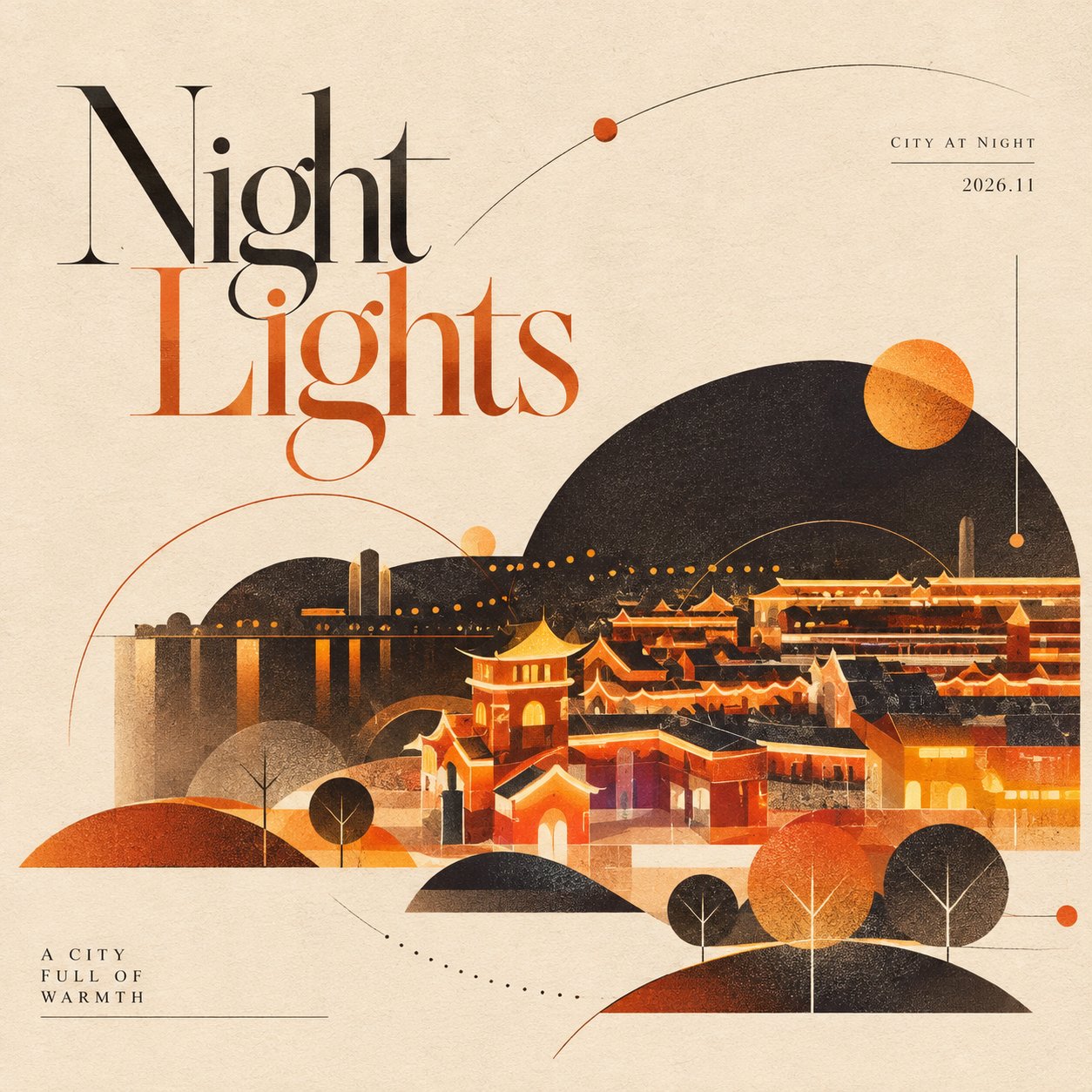
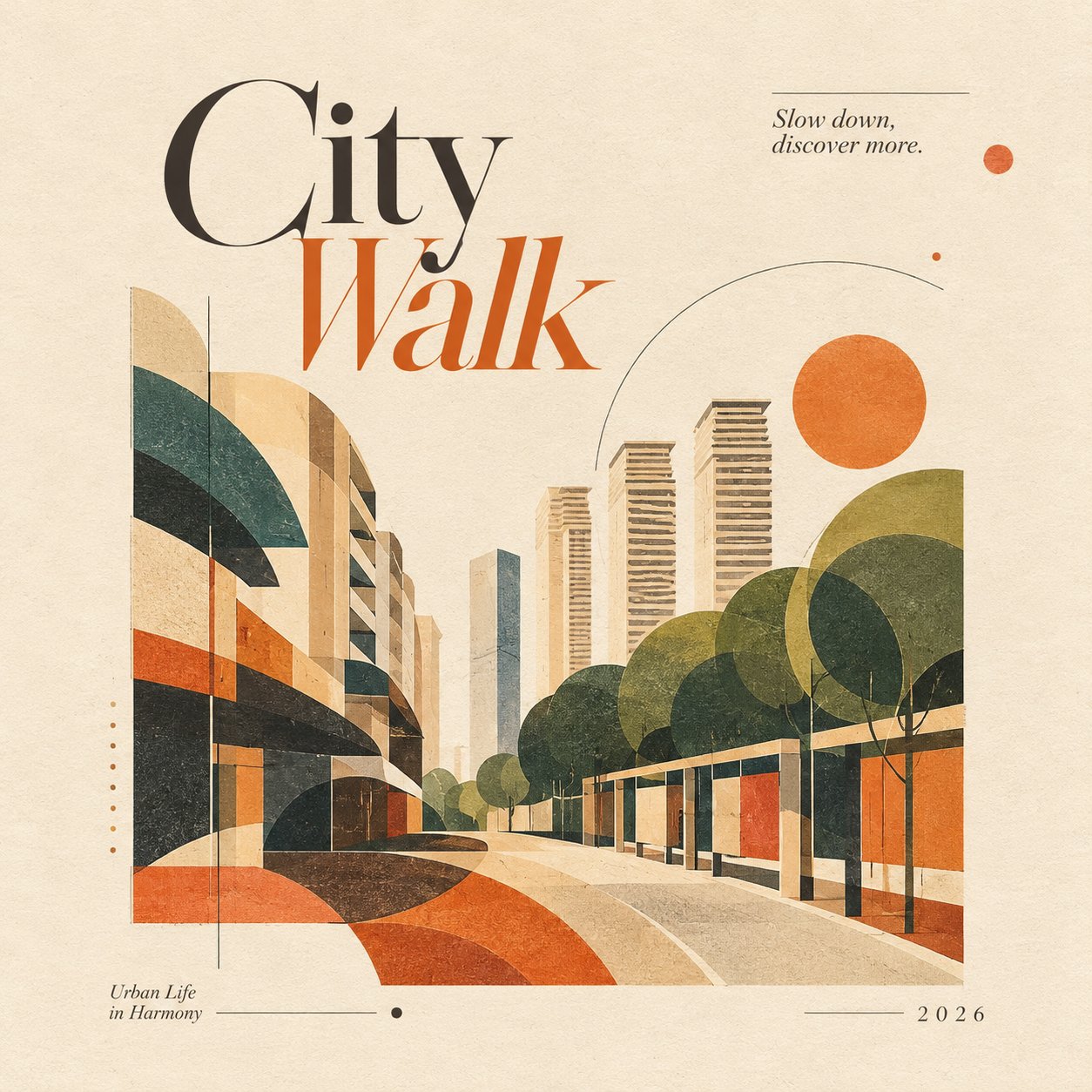
All three sets use the same set of prompts; only the reference photos have been changed. Comparing them side by side will make it clearer how the geometric shapes, color ratios, and visual focal points “emerge” from the original photos. If you have any urban landscape photos of your own, simply replace the photo in the first line of the prompts with one of your own to see what results the same set of rules will produce.