I decided to switch search engines because, for a while last year, I was under a lot of work pressure. I often felt tense and anxious, had a rapid heart rate every night, and had trouble falling asleep. After searching online, I came across a lot of alarming information—some sources said these were physical symptoms caused by anxiety, while others claimed I had heart disease. For the following week, my browser was constantly flooded with ads for calming and brain-tonic supplements, as well as psychological counseling services. How can I describe this feeling? It was as if someone were poring over my personal medical records—it was extremely off-putting.
Since then, I’ve made a point of looking for alternatives to domestic search engines—or, rather, search engines that don’t track user privacy. Over the course of a year, I’ve tried many of them; some I’ve stuck with, while others I only occasionally revisit. None of them are perfect, but each has its own merits. Sometimes, switching to a different search engine is like looking at the online world through a new window—it offers a different experience.
Ecosia: Use the time you’d normally spend goofing off to grow a little sapling that helps relieve stress
I started out using Ecosia. At the time, I was simply interested in the eco-friendly concept that “searching can plant trees,” so I set it as my default search engine on both my phone and computer for about two or three years.
To be honest, the search results aren’t always accurate—especially when searching for news or showtimes for newly released movies; I often have to scroll down through many pages to find what I’m looking for. But I just have to accept it. After all, every time I search, seeing that little sapling counter go up by one gives me a small sense of satisfaction, as if the time I just spent slacking off wasn’t entirely wasted.
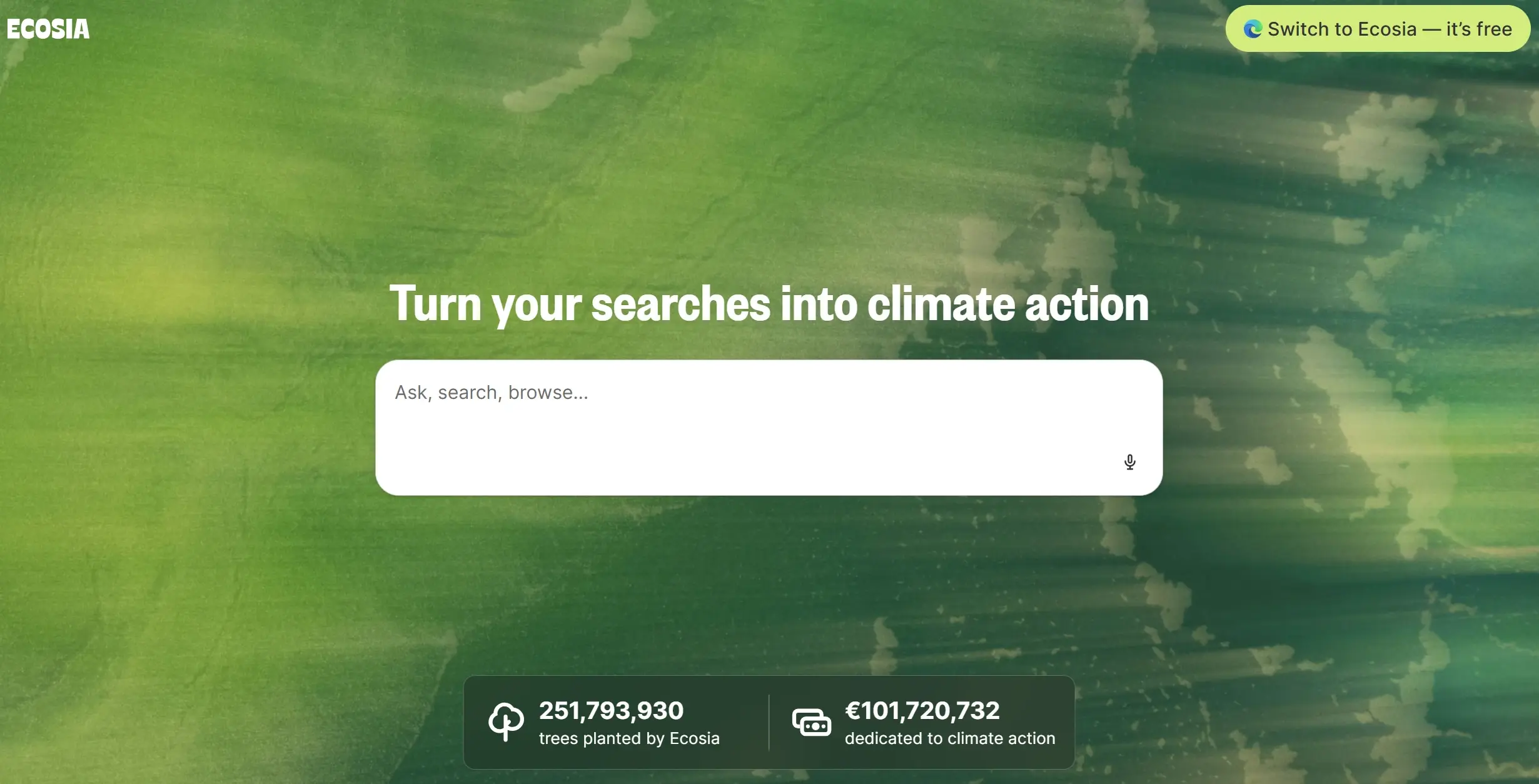 (ECOSIA, the Tree-Planting Organization)
But later, when I started searching for some less common technical issues, Ecosia’s reliance on Bing became a drawback—I often couldn’t find the content I was looking for. That’s when I started using other tools; my first alternative was DuckDuckGo.
DuckDuckGo: I went there for privacy, but was drawn in by "Bang"
DuckDuckGo is committed to absolute privacy. It does not store your search history or create a personal profile for you. The search results are clear at a glance, and when we search for the same terms, my colleagues and I see essentially the same results.
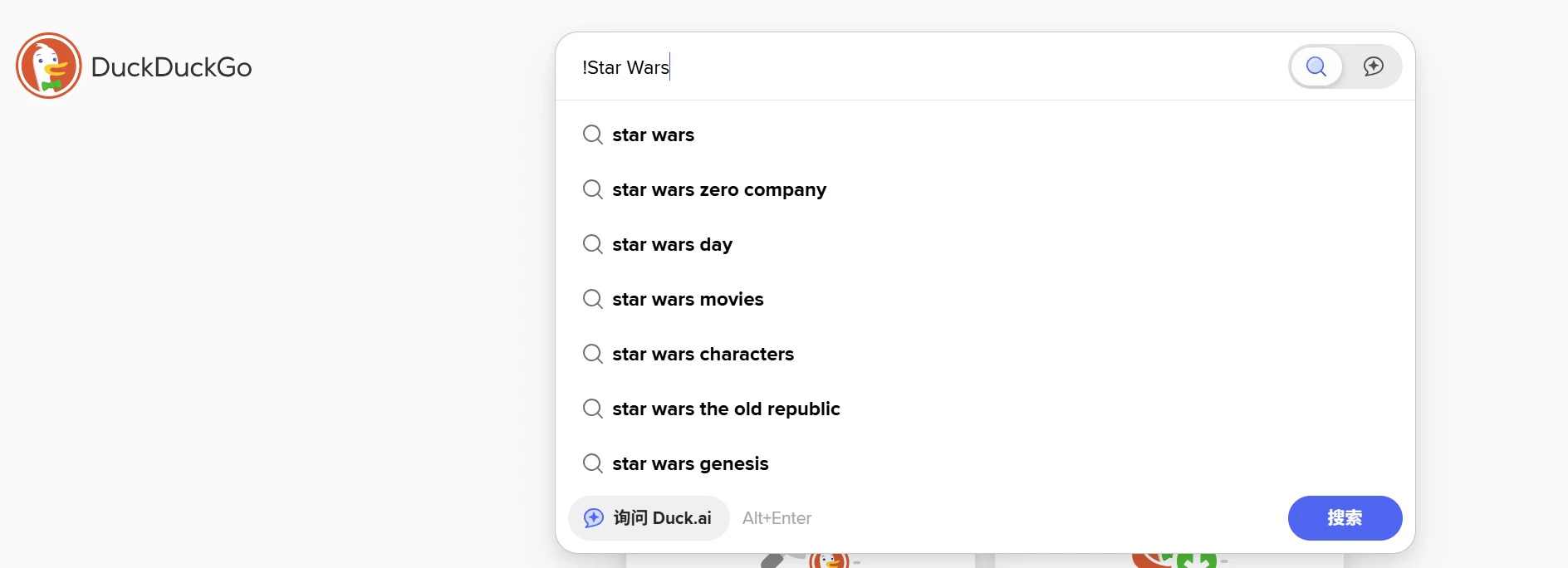
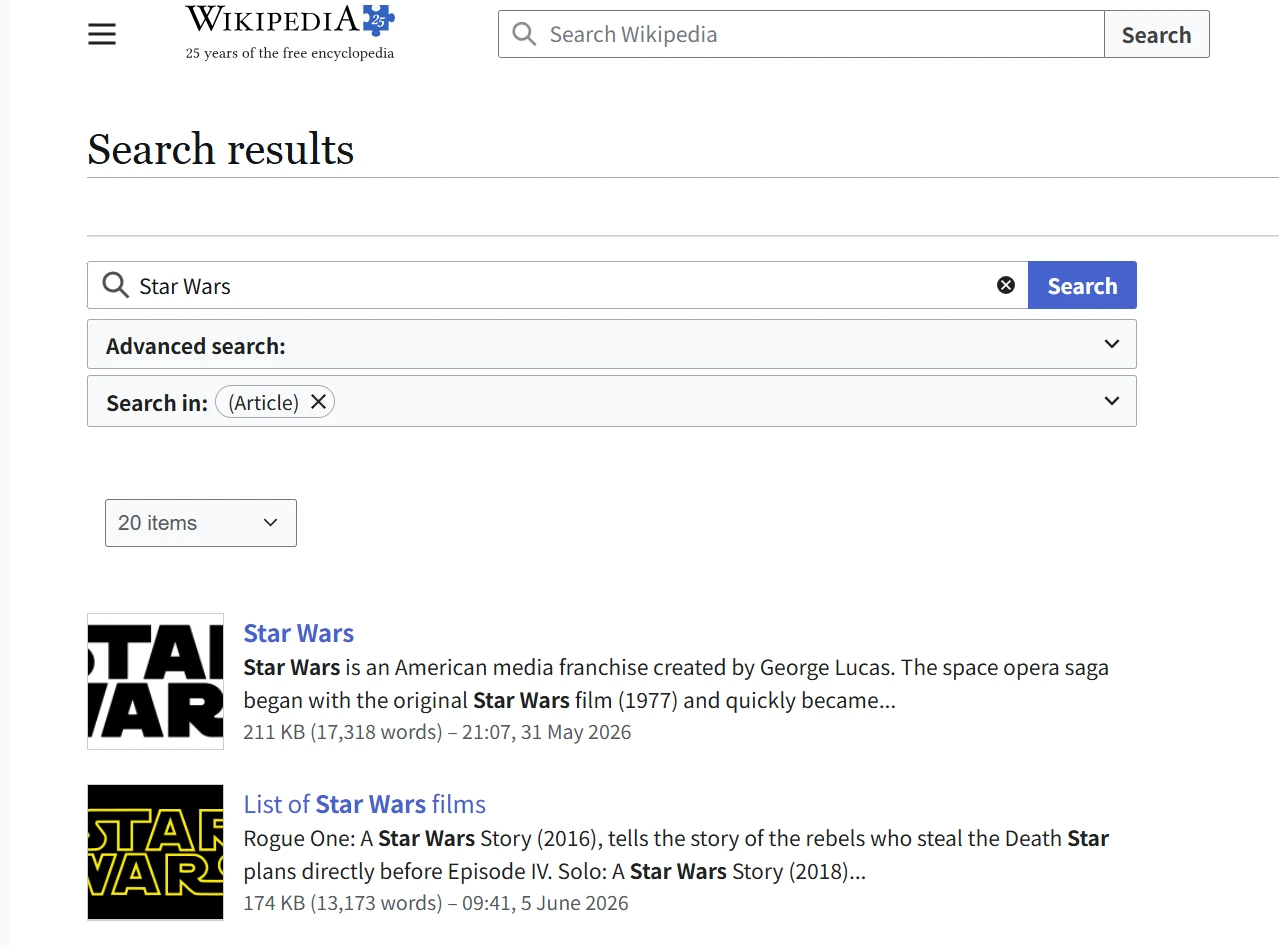
But what really keeps me coming back is a little feature called “Bang.” One night, while writing a report, I wanted to find information about the movie *Star Wars*. I typed “!Star Wars” into the search bar, and it immediately took me to Wikipedia—no need to sift through all kinds of entertainment news. Right then and there, I added it to my favorites. Of course, it does have its shortcomings—I’ve never quite gotten used to its image search, and to find high-quality images, I still have to go back to the original source.
After that, I became interested in “independent search engines” and wanted to see what the underlying search results would look like without relying on Google or Microsoft. That’s when I came across Mojeek.
Mojeek & Marginalia: Conducting “Web Archaeology” in the Nooks and Crannies of the Internet.
I came across Mojeek by chance. A friend who researches open-source projects sent me a link with a note saying, “Give it a try—it’s pretty stubborn.”
I opened it, and the page was as simple as a single sheet of paper. Their crawler has been automatically scraping web content since 2004, and they maintain their own independent index without relying on large corporations. The most amazing thing is that once, when I was searching online for an old story from a rare open-source mailing list, Mojeek actually found a blog post that hadn’t been updated in ten years—a result that would have required scrolling to page 5 or beyond on a typical search engine. It was precisely because of this that I bookmarked Mojeek. However, its real-time performance is poor—searching for recent events is mostly a waste of time, which is why I rarely use it.
Even stranger than Mojeek is Marginalia.
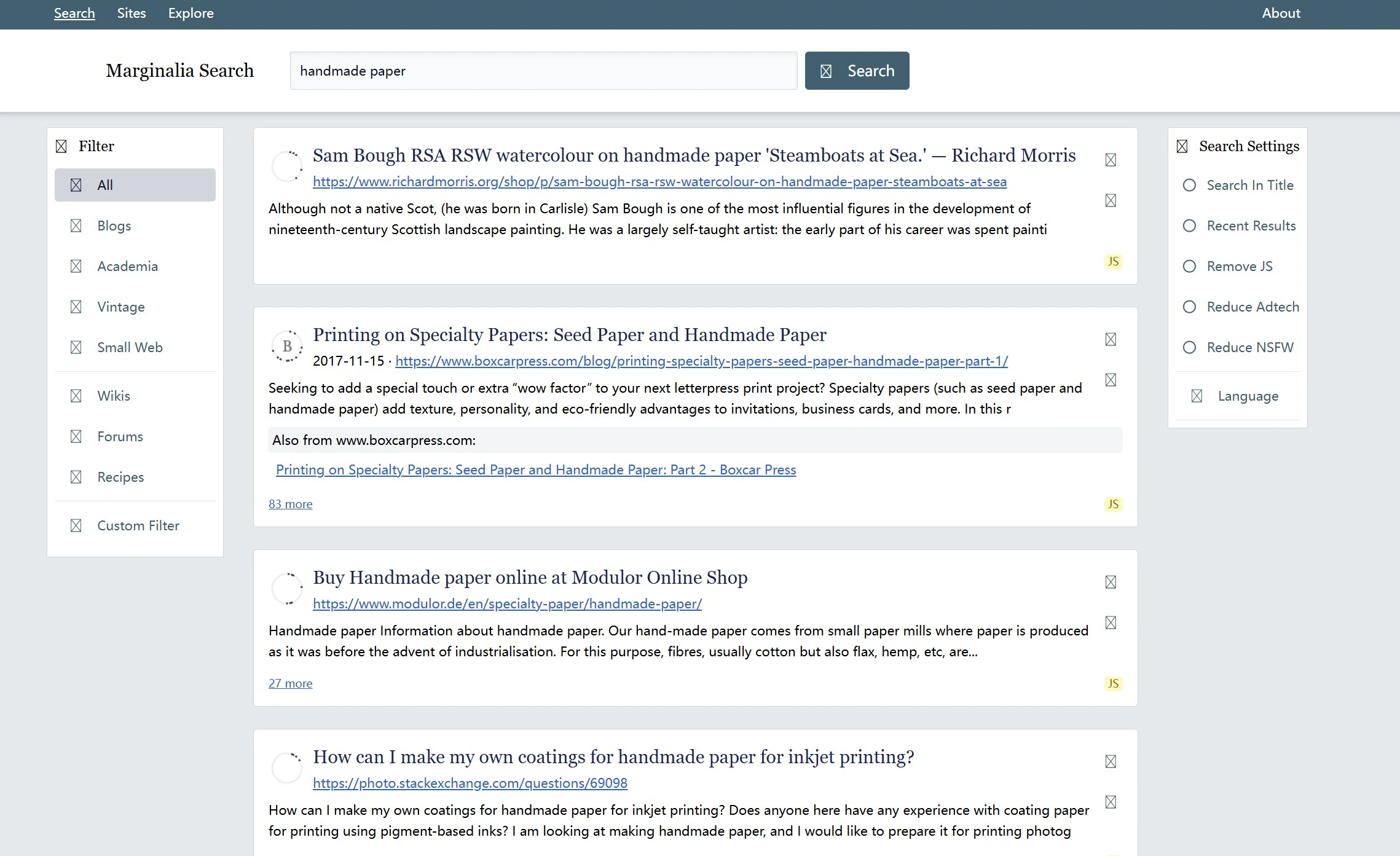
Its crawler avoids commercial websites and instead mines information from obscure corners of the web. Last week, when I searched for “handmade paper” using it, the first page didn’t show any e-commerce links—instead, it featured a personal website that hadn’t been updated since the 1990s. On that site, a blogger had written a lengthy description of the paper-making process he observed among elderly artisans in Tengchong, Yunnan. These days, only this kind of alternative search engine can likely find pages like that. However, it’s quite slow, occasionally reminding me of the days of dial-up internet from many years ago—though I probably wasn’t even born back then, haha.
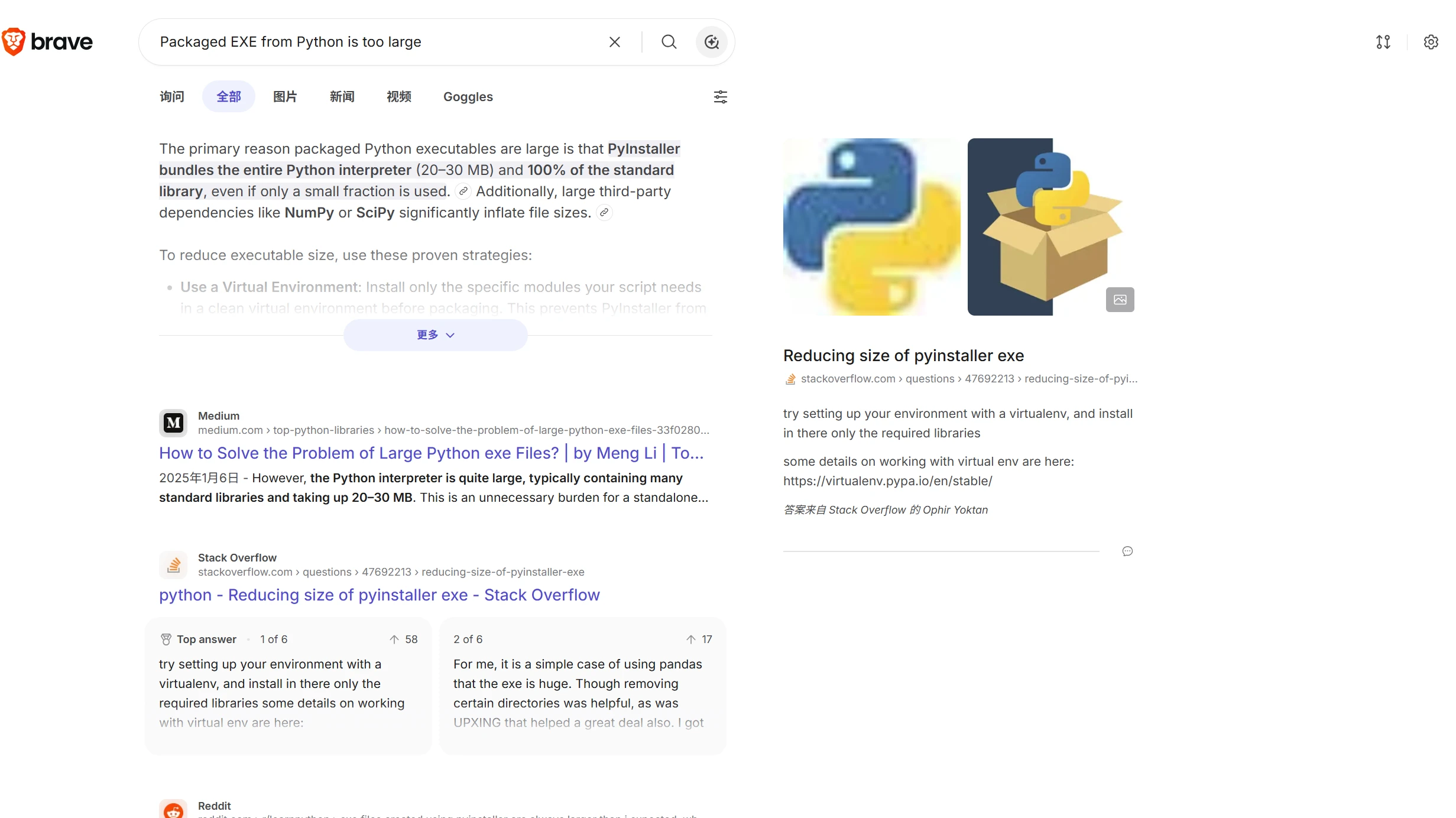
Brave Search: A “Breath of Fresh Air” for Searching English Resources and Troubleshooting Technical Errors”
For a while, I even tried out Brave Search. Like Mojeek, it is gradually building its own independent index rather than relying on large companies.
I’ve used it to look up some programming issues and English-language research papers, and I’ve found that the order in which results are displayed isn’t like that of mainstream search engines—it sometimes brings up helpful insights from Reddit or Stack Overflow that aren’t very common elsewhere. However, its search results for Chinese content are less than satisfactory—once, when I wanted to know how to make “laoyoufen,” it seriously returned several English research papers on fermentation processes and the like. So I had no choice but to walk away, and since then I’ve basically stopped using it to look up information in Chinese.
I know it’s a bit odd to list so many alternatives all at once. But that’s actually how I use them in my daily life: I use DuckDuckGo when I need to find something quickly, Mojeek when I’m looking for unconventional perspectives or older articles, and Marginalia when I want to do some “web archaeology” in the evening. Most of the time, though, I keep the Ecosia page open to get that little sense of satisfaction from helping plant trees.
As I write this, there isn’t really one that can completely replace any of the others, but each one has had a moment that made me think, “Oh, so the internet can look like this, too.” If you’re tired of being tracked—or are just a little curious—pick one at random and search for something. You might just stumble upon some pretty interesting content hidden away from the major search engines.
Website addresses in the text
- Ecosia:https://www.ecosia.org
- DuckDuckGo:https://duckduckgo.com
- Mojeek:https://www.mojeek.com
- Marginalia Search:https://search.marginalia.nu
- Brave Search:https://search.brave.com